

Jevon Caldwell-Gross draws from his pastoral experience to engage a series of cultural shifts that have changed how people today function. He shows how many of these are out of alignment with how churches typically make their plans. He illustrates with the prevalence of an “on demand” culture and the rise in importance of “values versus activities.”
Ministry is highly influenced by context and impacted by culture. This is not to suggest that culture drives ministry or that the church simply reflects the current climate. However, ministry does not exist in a vacuum. There was a reason why Jesus used analogies of salt, light, and seeds; they represented the cultural context of his community. The people that your church is called to serve and reach are influenced and affected by the current culture. Unless ministry takes these different cultural nuances into account, it runs the risk of being irrelevant and appearing out of touch. Fruitful ministry is strategic and intentional about adjusting to these changes.
In the last four to five years, our culture has undergone dramatic shifts directly affecting how we approach and strategize around reaching new audiences and further engaging the current congregation. These changes impact how we view ministry, revealing fresh possibilities that extend beyond Sunday. Let’s look at two examples of key shifts that are already reshaping how we think about ministry and will continue guiding our approach in the days ahead.
On-Demand: Times are Obsolete
The church’s newest formidable competitor is time. Demanding work commitments and impossible family calendars have become the norm. We are vying for attention against dinnertime, social obligations, household chores, bedtime routines, vacations, hobbies, workouts, and homework. The demands of time have never been more pressing.
But this wasn’t always the norm. Many of us grew up waiting eagerly for the weekly release of our favorite TV show. The same structure extended to the church: Bible studies happened on specific evenings, small groups met at regular times, and outreach events had clear start and end points. As church leaders, we could confidently expect people to plan their lives around what we deemed to be important.
But times have shifted. We moved from enduring weekly frustrations to the freedom of recording shows and watching them at our convenience. On-demand culture has revolutionized how people engage with these commitments. The shift from scheduled events to accessible engagement has fundamentally changed expectations. Set times are becoming increasingly obsolete as communities prioritize flexibility and seek opportunities with a longer life span.
For the church, this cultural shift presents unique challenges. Time constraints often prevent people from fully engaging in ministry opportunities. Ministry leaders must say more than: “If people made God a priority, they’d attend church events.” What if they didn’t have to always choose between their regular obligations and church commitments? What if we shifted how we viewed engagement, recognizing that the on-demand culture isn’t the enemy but an opportunity?
Values versus Activities
People are increasingly less concerned about what we do and more about who we are. Your community wants to know your guiding principles: What are your beliefs, why do you believe, and how will they feel when they interact with your congregation? These include the values that you openly profess and the ones that are unspoken.
Beneath the shift from activity-based engagement to a values driven approach is a deeper need for people to feel psychologically safe. In a world where trust in institutions is declining, one of the most fundamental questions people are asking is ”Am I going to feel safe here?” Without that foundation of trust, no amount of programming will truly sustain long-term belonging.
When I was on the staff of St. Luke’s United Methodist Church in Indianapolis, we noticed there was one common theme that connected those new to the congregation in recent years: our values. St. Luke’s continues to strive to be an inclusive congregation, one that is willing to discuss difficult topics with courage and compassion. As people were looking for a place to belong, there was a constant affirmation of our values, not necessarily our activities or robust programming. For our new guests, who we were and what we believed mattered.
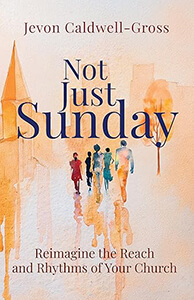 This article is adapted from Not Just Sunday: Reimagine the Reach and Rhythms of Your Church by Jevon Caldwell-Gross (Abingdon Press, 2025) and is available from the publisher, Cokesbury, and Amazon. Used by permission.
Related Resources
- Is Nostalgia Sabotaging Your Church’s Future? by Matt Miofsky
- Becoming a Future-Ready Church featuring Adelle Banks — Watch the Leading Ideas Talks podcast video | Listen to the podcast audio version | Read the in-depth interview
- Normalizing Next featuring Olu Brown — Watch the Leading Ideas Talks podcast video | Listen to the podcast audio version | Read the in-depth interview