
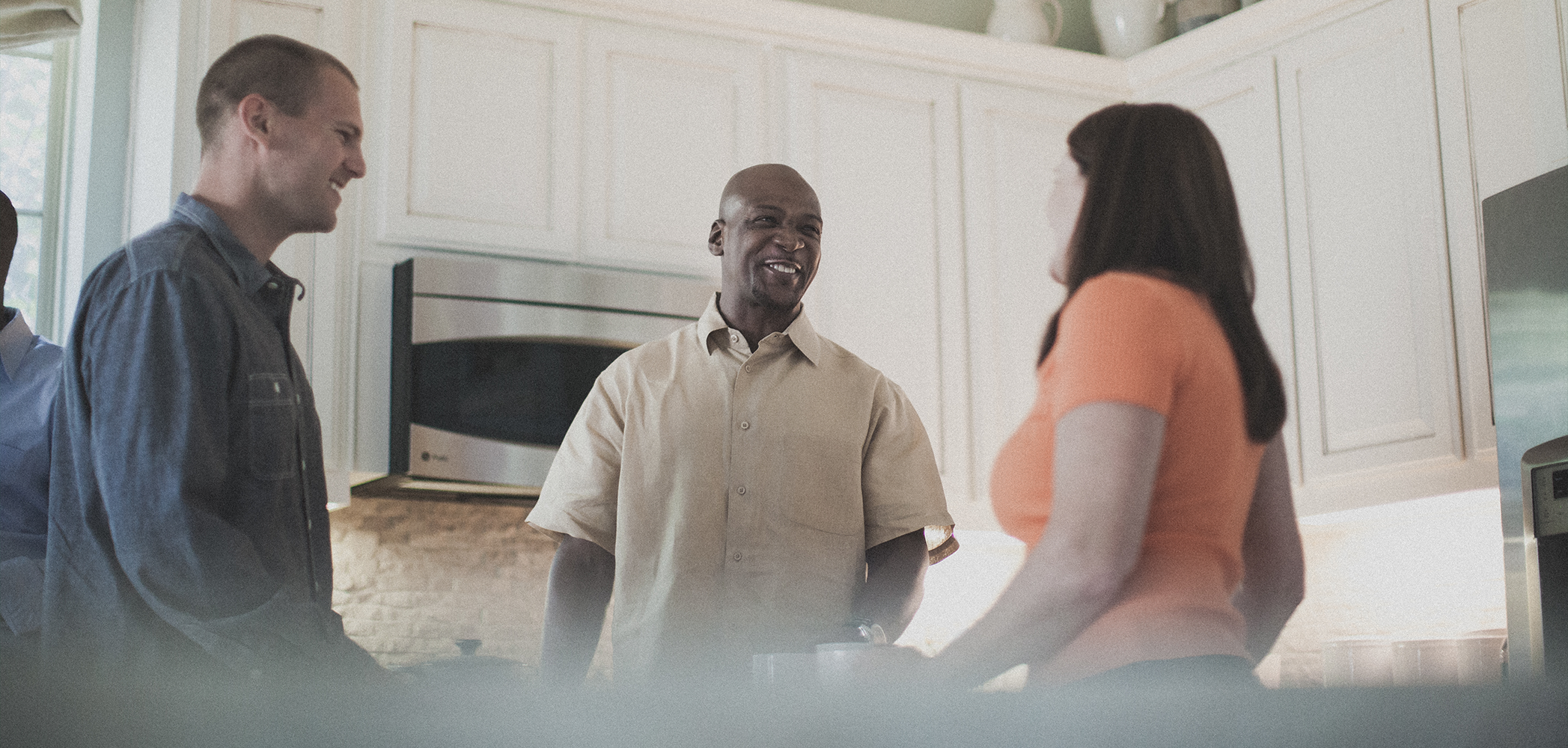
Jevon Caldwell-Gross says churches can no longer assume that Sunday morning is the primary way people will connect with a congregation. He shares how the COVID-19 pandemic revealed new opportunities for St. Luke’s United Methodist Church to engage its community—and why churches should think beyond Sunday when reaching new people and forming faith.
In 2020, we set a goal at St. Luke’s United Methodist Church, Indianapolis, of reaching 2,020 first-time guests in worship. A consultant analyzed our metrics and concluded that to continue growing in worship attendance, we needed to reach a higher number of first-time guests. At the time, I was on the staff overseeing front-facing ministries, so I paid special attention to these such numbers. Although the target number of first-time guests marked a significant increase from previous years, each ministry within the church developed strategic plans to support and contribute to the overall effort. This became a rallying point for the year.
Then COVID-19 happened. The decision to cancel the upcoming worship services was not easy for the church. We hosted five worship services, three traditional and two contemporary, every week with programming for kids and students of all ages. We had a choir and orchestra for the traditional services and a full band for the contemporary services. Because some of the services ran concurrently, two preachers were required each week. But within a matter of days, we had to become a different church. Like many other congregations, we had to transition to online services.
One thing that COVID-19 did not change for us was our goals. We stayed committed to reaching our targeted number of new guests despite the hard shift from our ministry programming and worship services. While our services and selected programming remained virtual, our congregational surveys revealed that people managed to stay engaged. What was most surprising was the rising number of first-time guests!
I noticed a significant trend in how we engaged with these new guests. In the past, we primarily focused on attendance data gathered on Sunday mornings. We had a dedicated ministry that based its follow-up procedures on the number of people who recorded their attendance during the worship service. However, it became clear that a different trend was emerging. While fewer people were signing in during our online services, we were still meeting our engagement goals with new guests, but through different channels than we had anticipated.
For instance, we hosted an anti-racism training seminar for our church and community, and a significant number of first-time guests registered and attended this event. It was an unforeseen but prevalent need in our community, thus attracting people from across the area. Our congregation had built enough credibility and trust that our community was willing to listen and depend on us to fill that void. We followed this seminar with community-wide small groups on the same topic. Again, we saw many new registrations from persons not connected to our church. With similar events, the number of new guests in 2020 totaled 2,300, far exceeding our goal!
New people were connecting with the church, but Sunday morning was no longer the central place where this was happening. A large majority of those new persons were finding connections to the congregation outside of the Sunday morning worship experience. The numbers were signaling a shift in the ways that people were engaging faith and revealing the possibilities outside of Sunday morning.
Like many congregations, these numbers challenged our approach. For us and many churches, Sunday is a major day in the life of the church. Sunday is sacred. It’s how many churches track and gauge their growth and ability to connect with the community. Consider how much labor and time is required to provide an engaging experience every single week. And yet, the numbers told a fuller picture of the possibilities that were present. It marked a shift in our community. Sunday was a day, but not the only day when our community connected with our congregation.
We place much of our efforts on one day of the week. The aim of this article is not to diminish the quality or time devoted to the worship experience. It is, however, an invitation to plan and think differently beyond Sunday morning. Sunday is no longer the only day we have to create these transformative experiences that engage current members or reach our community. While most congregations spend hours planning what happens on Sunday morning, we have no clear strategy for the other 164 hours of the week. We need to embrace decentralized and flexible approaches to faith formation and engaging new audiences that fit into people’s everyday lives, rather than requiring them to adjust to traditional church schedules. Our greatest potential to impact our communities, reach new audiences, and provide opportunities for further engagement can’t be limited to one day of the week.
We love to hear from our readers! If you have any comments, suggestions, or questions about this article, please leave a voice message directly from your computer, tablet, or smartphone via Speakpipe. You may also email lewiscenter@wesleyseminary.edu or leave a comment on Facebook, Instagram, YouTube, and Bluesky.
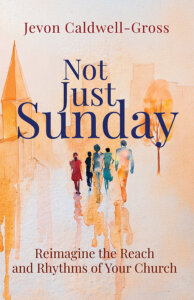
This article is adapted from Not Just Sunday: Reimagine the Reach and Rhythms of Your Church (Abingdon Press, 2025) by Jevon Caldwell-Gross. The book is available from the publisher, Cokesbury, and Amazon. Used by permission.
 Related Resources
- Taking Church to the Community, a video tool kit resource from the Lewis Center
- 4 Key Practices for Community Engagement by Doug Powe and Sam Marullo
- New Possibilities for Engaging Ministry Participants and Leaders by Ann A. Michel
- Louisville Institute. Funded by the Lilly Endowment Inc., Louisville Institute awards grants and fellowships to those who lead and study North American religious institutions, practices, and movements, advancing scholarship to strengthen church, academy, and wider society.
If you would like to share this article in your newsletter or other publication, please review our reprint guidelines.